
Not every successful mediation ends with a signed settlement agreement before the parties leave the room. In fact, some cases that appear to reach an impasse during mediation ultimately settle days or weeks later. An unsuccessful mediation, therefore, is not necessarily a failed one.
A mediation can change the trajectory of a dispute even when the parties do not immediately reach an agreement. The process may narrow the issues, reveal information about the other side’s position, or cause parties to reassess the strengths and weaknesses of their case. Sometimes, those developments simply need time to take effect.
Mediation changes the conversation
Litigation can cause parties to become entrenched in their positions. Pleadings, discovery, and motion practice tend to focus attention on what each side believes it can prove. Mediation creates a different environment.
For the first time, parties may hear directly how the other side evaluates the dispute and what concerns are driving its decision-making. A mediator may identify risks or obstacles that have received little attention during the litigation. Even if the parties remain far apart at the end of the day, they often leave with a clearer understanding of where the real disagreement lies.
That information can be valuable long after the mediation session ends.
Sometimes parties need time
Mediation often requires parties to confront difficult realities about their case. A party that begins the day expecting a particular outcome may hear information or receive a settlement proposal that challenges those expectations.
That does not always result in an immediate change of position. Clients may need time to discuss the mediation internally, revisit their assessment of the case, or simply process the information they received during a long and demanding day of negotiation.
The passage of time can also reduce the emotional intensity that sometimes accompanies a dispute. An offer that seemed unacceptable at 4:00 p.m. may look different after a few days of reflection and a renewed evaluation of litigation costs and risk.
Keeping the door open
When a mediation does not result in settlement, it is important not to treat the end of the session as the end of the negotiation. Counsel and the mediator can often preserve momentum by identifying the remaining obstacles and keeping lines of communication open.
In some cases, a small movement by one party after mediation can restart negotiations. In others, additional information, a court ruling, the passage of time, or the courthouse steps, may cause the parties to reconsider their positions.
The mediator can also continue to play a role after the formal session ends. Follow-up conversations may help determine whether the parties have moved closer or whether there is a different approach that could bridge the remaining gap.
The takeaway
A mediation should not be judged solely by whether the parties sign an agreement that day. Even when negotiations reach an apparent impasse, the process can provide information, perspective, and momentum that ultimately lead to resolution.
Some cases settle at mediation. Others settle because of mediation. Knowing the difference can help parties and counsel make better use of the process and avoid walking away from the table too soon.
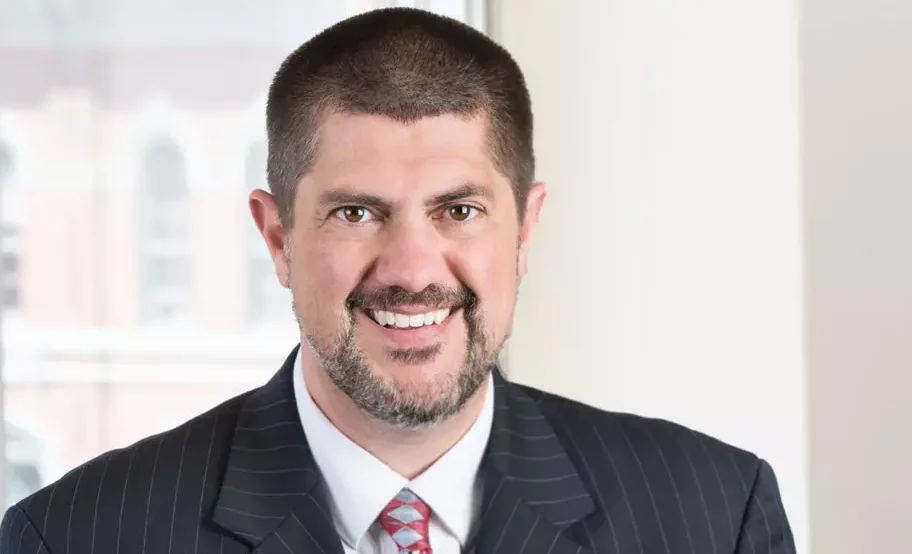
Michael R. Bosse is a construction and litigation attorney and mediator with nearly three decades of experience representing developers, contractors, subcontractors, and suppliers across New England. Known for his diplomatic, client-focused approach, Mike advises on contract negotiation and administration, construction claims, mechanic’s liens and Prompt Payment Act matters, eminent domain, condemnation cases, and more. He can be reached at [email protected].
Bernstein Shur’s Construction Group helps developers, contractors, and construction professionals manage risk and keep projects on track at every stage of the project lifecycle. The group provides sophisticated legal solutions spanning contract negotiation, project administration, dispute avoidance, and litigation, drawing on deep experience in the construction industry.