
Last month, I traveled to Washington, DC in my role as Chair of the Copyright Committee for the American Intellectual Property Law Association (AIPLA) to meet with senior leadership at the US Copyright Office about the latest developments in their work. What follows is a summary of my key takeaways.
The Copyright Office is modernizing—and it shows
The US Copyright Office is moving forward with long-planned modernization efforts. The Office is in the midst of deploying its Enterprise Copyright System (ECS), a unified platform designed to replace decades-old infrastructure with a modern, user-centered architecture spanning registration, recordation, public records, and licensing.
The Office replaced its legacy Online Public Catalog with a significantly enhanced Copyright Public Records System (CPRS) in June 2025, providing access to copyright registration and recordation data with advanced search capabilities, improved filters, and better interfaces for both the public and Office staff. Work on the registration component—the largest and most complex of the Office’s services, and one that relies on a system nearly 20 years old—is now the focus of accelerated development, with expanded teams working simultaneously on the public-facing, internal staff, and electronic deposit components.
The Office is also working to digitize its pre-1978 records and make them available online. More than 19,135 copyright record books are now available online, representing over 78 percent of the total historical collection. For practitioners who regularly conduct chain-of-title research, work on licensing transactions, or litigate ownership disputes involving older works, this will eventually become an indispensable resource.
Processing times are improving
The Office reported that processing times for its core services of registration and recordation continue to improve. Based on the figures shared at our meeting, average registration processing time in 2025 was approximately two months, with recordation averaging just four days.
These figures are encouraging signs that modernization is having a meaningful impact on the work of the U.S. Copyright Office. The reduced registration times are important because registration remains the gateway to statutory damages and attorney’s fees in infringement litigation, and those rights are worth protecting proactively.
Fee increases are likely on the way
The Office reported during my visit that it had been considering raising fees in part due to an uncertain fiscal environment and the need for greater financial resources to sustain IT modernization through fiscal 2026 and beyond. Since my visit, the Office has issued a notice of rulemaking that contains a proposed fee increase. Comments on the proposal are due by May 4, 2026.
Copyright Claims Board update
The Copyright Claims Board has now handled approximately 1,800 cases since its launch in June 2022. A recent Copyright Office report to Congress documented steady and growing demand for CCB services, with the daily claim rate rising from 1.3 claims per day in its first year to 1.7 claims per day in the first half of its fourth year. Approximately 67% of claimants have been self-represented individuals, fulfilling the CASE Act’s original goal of creating an accessible forum for rights holders who cannot afford federal court litigation.
The Office has also found that concerns about abuse have not materialized: the study concluded that use of the CCB for abusive or bad-faith purposes has not been significant, a finding attributed to the detailed procedures built into the CASE Act and the CCB’s own regulations.
The Office is exploring an expanded or refined track for lower-value disputes—matters worth under $5,000—and is considering ways to grow referrals from federal district courts, which could meaningfully increase the CCB’s role in the broader copyright enforcement landscape.
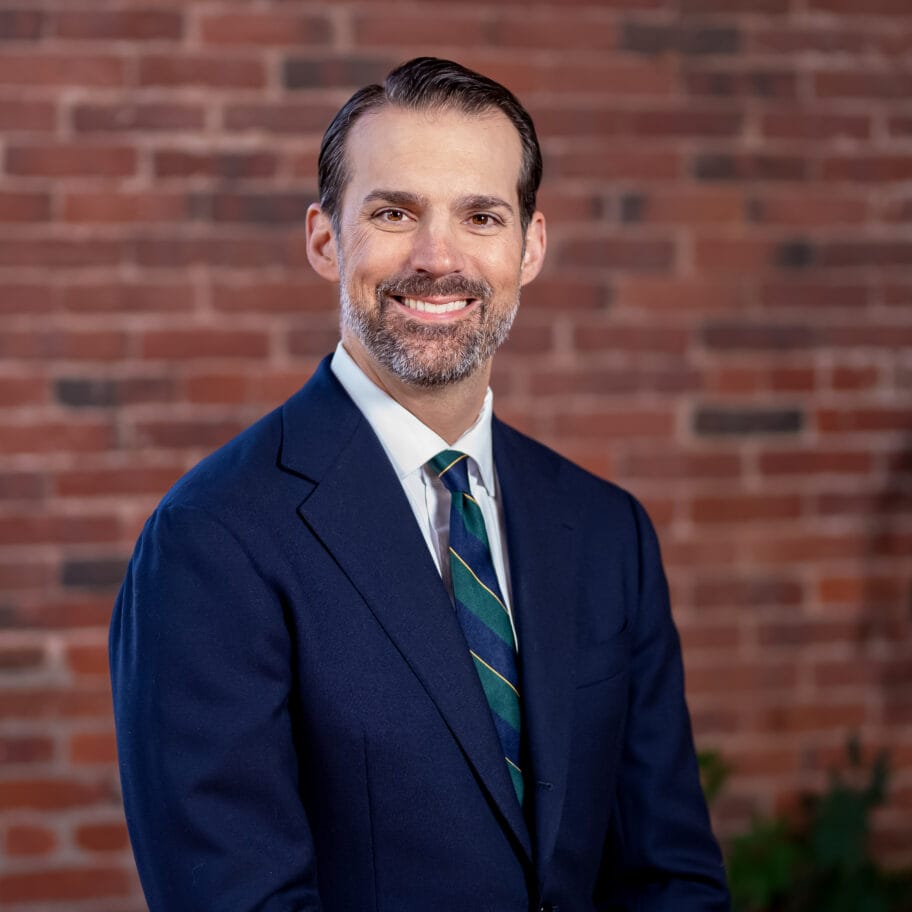
Ned Sackman is a shareholder and co-chair of the Litigation Practice Group at Bernstein Shur, where he focuses on federal intellectual property matters. He serves as Chair of the Copyright Committee for the American Intellectual Property Law Association (AIPLA). He can be reached at [email protected].